Sub-Total: $0.00
7 Hidden Risks of Neglecting Industrial Hose Protection and How to Fix Them
Introduction
Industrial hose protection is too often an afterthought until a costly failure brings production to a halt. Overlooking seemingly minor issues can silently erode performance, create hazardous conditions, and result in expensive downtime. The company draws on years of experience serving facilities throughout the Upper Midwest to reveal the real, hidden risks behind hydraulic hose failures. Discover the seven most overlooked dangers and proven strategies to keep your operation safe and efficient.
The Silent Threat of Hose Abrasion and Wear
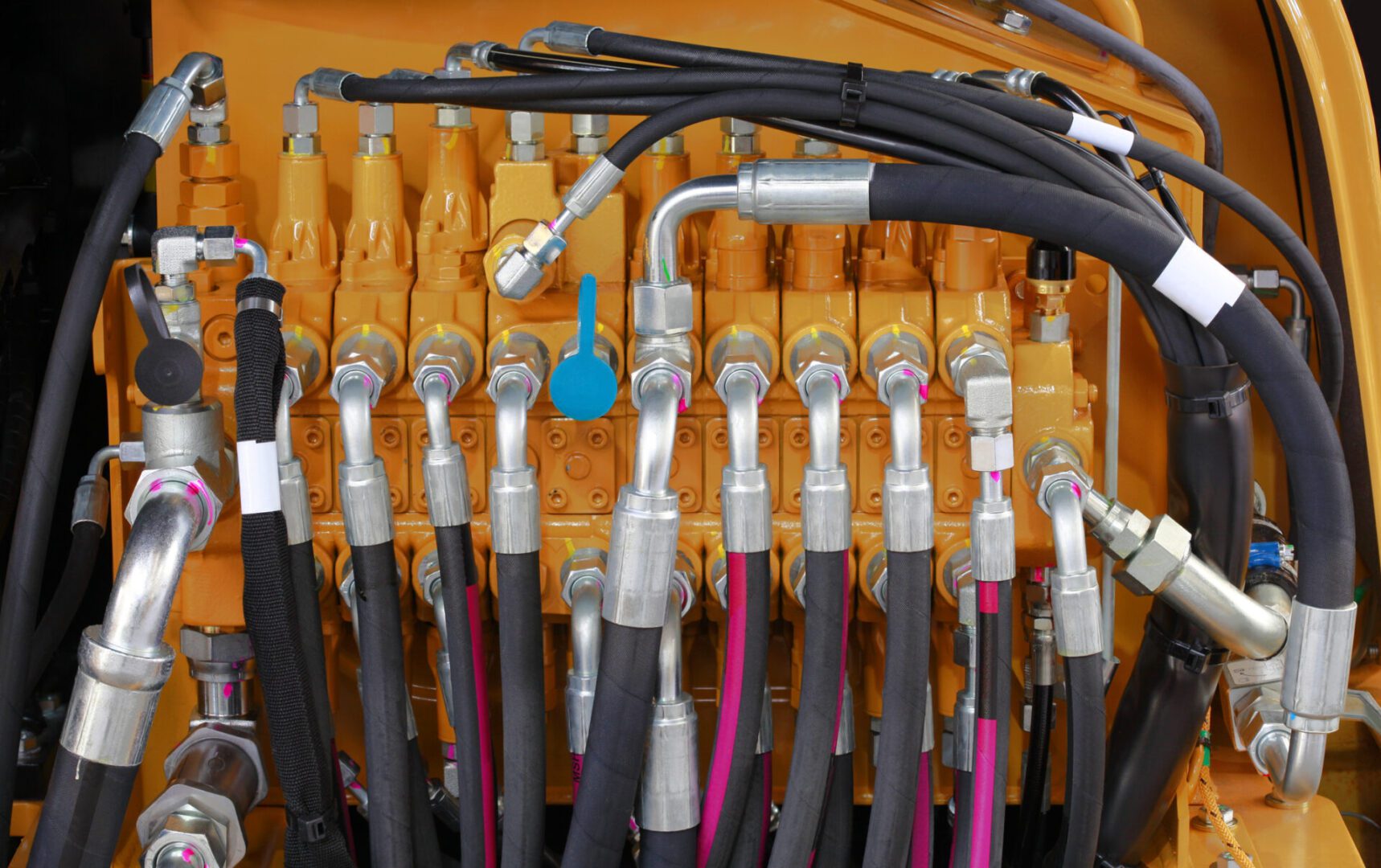
Abrasion remains a leading cause of hydraulic hose risks, typically developing out of sight. As hoses rub against metal brackets, other hoses, or abrasive surfaces, their outer covers wear down, exposing reinforcement wires and increasing the risk of leaks. Even minor scuffing can dramatically reduce service life. Common warning signs include faded or frayed outer covers, visible braid or wire, and a fine mist of hydraulic fluid along the hose route. Ignoring these indicators can result in sudden bursts, unexpected cleanup, and costly downtime. It is critical to identify high-risk abrasion points, especially where hoses flex or pass through tight spaces. Protective sleeves, spiral guards, and nylon sleeving are engineered for durability, with rubber hose guards now dominating the market for their flexibility and abrasion resistance. Key steps include mapping hose runs to highlight contact zones, selecting sleeve materials rated for your system’s conditions, and scheduling quarterly inspections to stay ahead of wear.
Burst Pipes and the Domino Effect of Downtime
A burst hose is disruptive and dangerous, leading to fluid injection injuries and hazardous spills. The consequences extend far beyond immediate repairs—machine interlocks trip, production lines halt, and costs escalate rapidly. Studies show that unplanned downtime stemming from hose failure can be financially devastating, with every dollar spent on a failed hose potentially costing up to thirty dollars more in lost production and repairs. Common causes include extreme temperatures, improper routing that overstresses fittings, and neglected maintenance checks. Protection starts with quality industrial hose protection. The company supplies sleeves tested for high-pressure pulses and thermal extremes. A robust maintenance program further reduces risks. Tag hoses with service dates and pressure ratings, use infrared temperature checks monthly, and replace hoses at 80% of their rated lifespan. By adopting a proactive approach, hose failure prevention shifts from a reactive emergency to a process that strengthens operational efficiency.
Invisible Dangers of Chemical Exposure and Temperature Extremes
Chemical exposure can degrade hoses from within, while temperature swings—common in the Midwest—create cracks and leaks. Certain elastomers swell with specific fluids, and extreme cold causes micro-fissures that weaken hoses under pressure. To counter these risks, always check compatibility charts for all facility fluids, use coated nylon or PTFE sleeves for chemical resistance, and select spiral guards rated for temperature extremes. Each facility’s needs are unique. For example, a food-grade plant using cleaning chemicals faces different hazards than a mining operation handling abrasive slurries. The company offers custom-fit sleeves and prototypes to ensure tailored hydraulic system safety for every application.
Improper Routing and the Hidden Cost of Inefficiency
A small twist during installation can drastically cut the hose’s lifespan. Kinks, tight bends, and unsupported vertical runs strain reinforcement layers, increasing abrasion and internal fatigue. The result is higher energy usage, reduced machinery life, and more frequent maintenance. Best practices include maintaining a minimum bend radius six times the hose’s outer diameter, using clamps with soft inserts to prevent chafing, and grouping hoses in nylon sleeving to avoid rubbing. The company provides on-site layout audits for distributors and OEM partners, mapping flow paths and recommending spiral guards at crossing points. These solutions are designed for seamless integration with existing equipment.
The High Price of Reactive Versus Proactive Maintenance
Waiting for hoses to fail may seem cost-effective, but it quickly becomes expensive. For every dollar spent on a replacement hose, companies may incur up to thirty times more in associated expenses, including lost production and equipment damage. Additionally, reactive maintenance can lead to regulatory penalties and erode customer trust. Implementing inspection logs can reduce repair costs by 30 percent, increase uptime with predictive sensor data, and foster a positive work environment by scheduling maintenance. A structured checklist—daily walk-arounds, weekly torque checks, quarterly sleeve reviews, and annual risk workshops—transforms maintenance into a strategic investment.
Built-For-Purpose Protection You Can Trust
The company brings a decade of specialization in industrial hose protection, focusing on durable, rigorously tested sleeves. Their product line endures 250,000 abrasion cycles and thermal shocks, ensuring long-lasting performance. Flexible options include stock sizes from ¼ inch to 4 inches, custom colors, closures, and anti-static layers. Regional reliability is assured through a Central Minnesota warehouse and a stable supply chain, enabling faster delivery and local support. To choose the right sleeve, measure hose outer diameter and maximum pressure, match temperature ratings to your environment, and select protection for open or bundled runs. The company offers tailored advice for unique situations.
Safeguarding Your Operations for The Future
The seven hidden hazards—abrasion, bursts, chemical attack, temperature extremes, routing errors, and reactive maintenance—can undermine hydraulic system safety and efficiency. Proactive industrial hose protection, quality sleeves, and a culture of maintenance grounded in data form the foundation for long-term operational success. The company delivers engineered products for the Upper Midwest’s challenging climate and demanding industries. To keep your machinery running longer and safer, explore the product range, request a hose protection assessment, or reach out for technical support.
Conclusion
Taking action against the hidden risks of neglected hoses ensures your facility’s safety and efficiency. With Midwest Industrial Solutions, LLC, you access proven expertise, robust products, and a proactive approach for lasting results. For more information or to upgrade your hose protection, visit our Contact Us page today and achieve operational excellence.
References
Harvard Filtration – https://www.harvardfiltration.com
Reports and Data – https://www.reportsanddata.com
Fluid Power Services – https://hoses.co.uk
Custom Hydraulics & Design – https://www.customhydraulicsdesign.com
Rubberworx™ – https://rubberworxhose.com
HYCO – https://www.hyco.co.za